

What do we need to know about Prebiotic Inulin?
Probiotics are not unfamiliar to us. As microorganisms that are beneficial to intestinal health, we have long been used to add them to foods such as yogurt.
Now, when we buy food and beverages, we often see promotional slogans that contain prebiotics. So just a word difference, what exactly is a prebiotic?
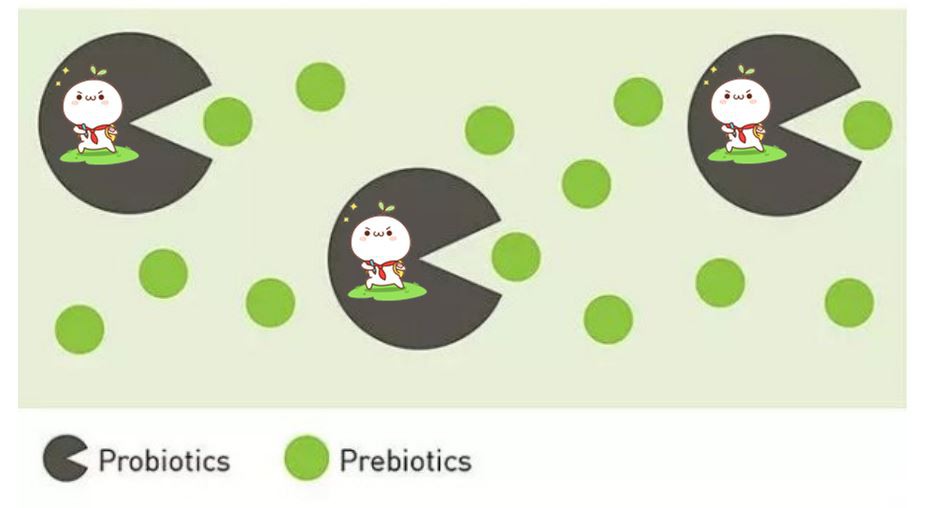
Prebiotics generally cannot be digested and absorbed by the human body, but can be selectively used by human microorganisms and can improve the activity of intestinal microbes. It is of great significance in improving the intestinal microecology and promoting the metabolism of lipids, proteins and minerals. In other words, prebiotics can also be regarded as food for probiotics.
So far, the prebiotics on the market mainly include inulin, fructooligosaccharides, and galactooligosaccharides. Among them, inulin is a relatively popular prebiotic with a wide range of applications and a high proportion.
The function and difference of inulin
Inulin is a non-digestible polysaccharide naturally occurring in nature, and it is also one of the most widely recognized and well-researched prebiotics in the world up to now. Relevant studies have proved that inulin can promote the proliferation of beneficial bacteria in the human body, effectively improve the intestinal microecological balance, and also has the effects of moisturizing the intestines and laxatives and increasing satiety. It is currently used in the fields of dairy products, cereal foods, candy and chocolate, etc. Both have applications, and there are also related cases of adding inulin in foods and personal care related to pet intestinal health.
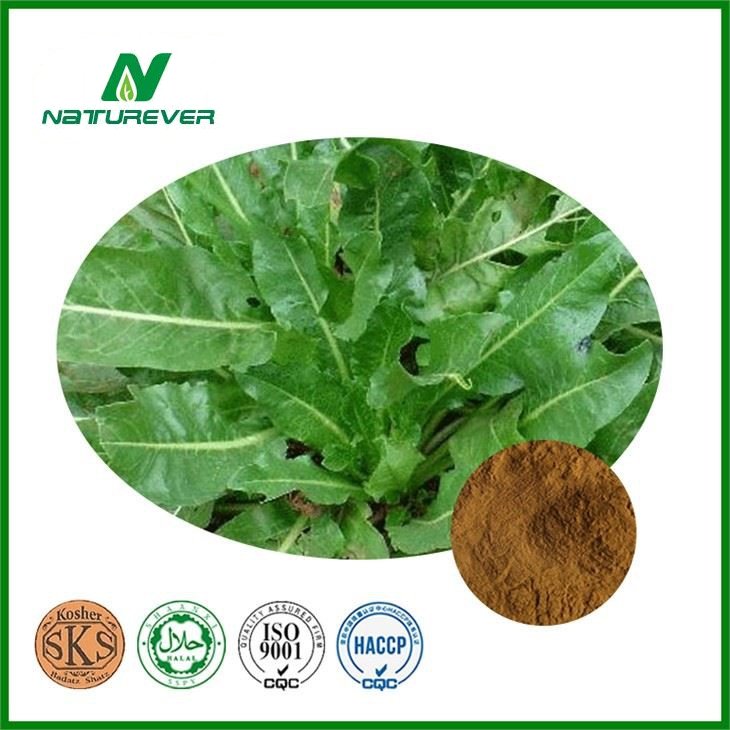
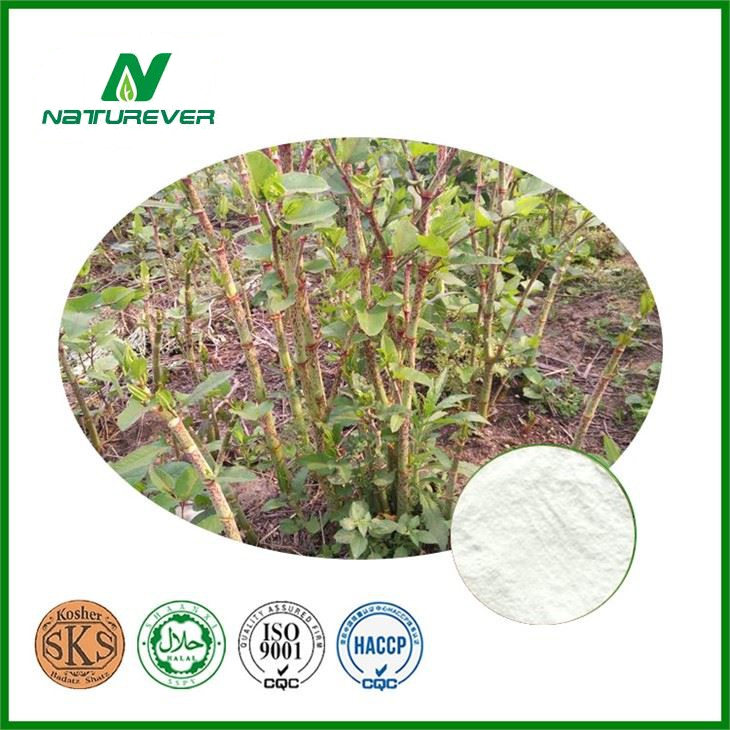
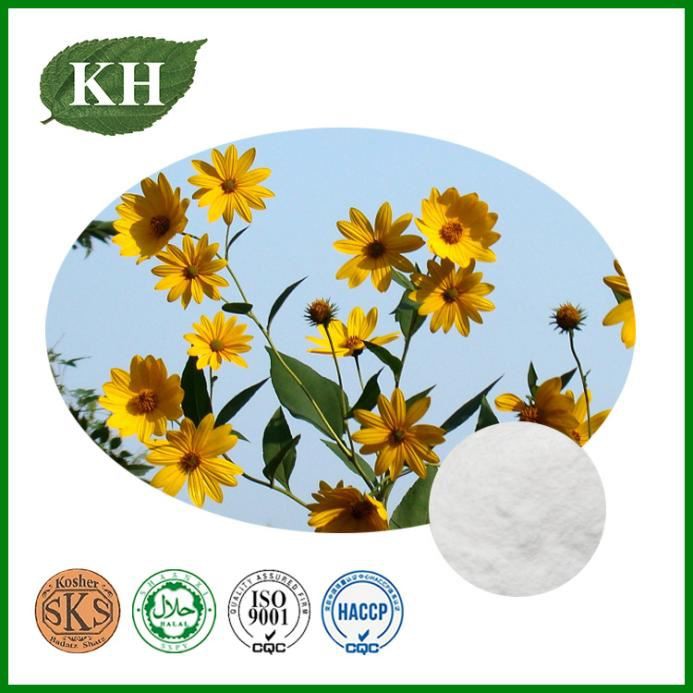
In China, there are two sources of inulin that can be used, chicory and Jerusalem artichoke. The differences between them are as follows:
1. The degree of polymerization is different: the degree of polymerization of inulin from chicory is about 2-60, and the degree of polymerization of inulin from Jerusalem artichoke is generally less than 40. This difference in the degree of polymerization will lead to different positions of inulin digestion and effect in the intestine. The low degree of polymerization can only act on the front end, the longer the chain, the deeper the position of the effect, and the effect on the entire micro-environment, the more comprehensive the effect.
2. Different flavors: Inulin from chicory is slightly sweeter and fresher, so inulin from chicory will also be used in sugar substitutes. Now some food companies will add inulin as sugar substitutes to products.
The dandelion , onion, garlic and peony contain also inulin.
Summarize:
Prebiotics can be decomposed and absorbed by the beneficial bacteria in the intestines, which is conducive to the growth and reproduction of beneficial bacteria. Therefore, prebiotics such as inulin will gradually become one of the essentials in people’s lives in the future. In addition to intestinal health, The application of inulin in reducing sugar will also be further explored.