

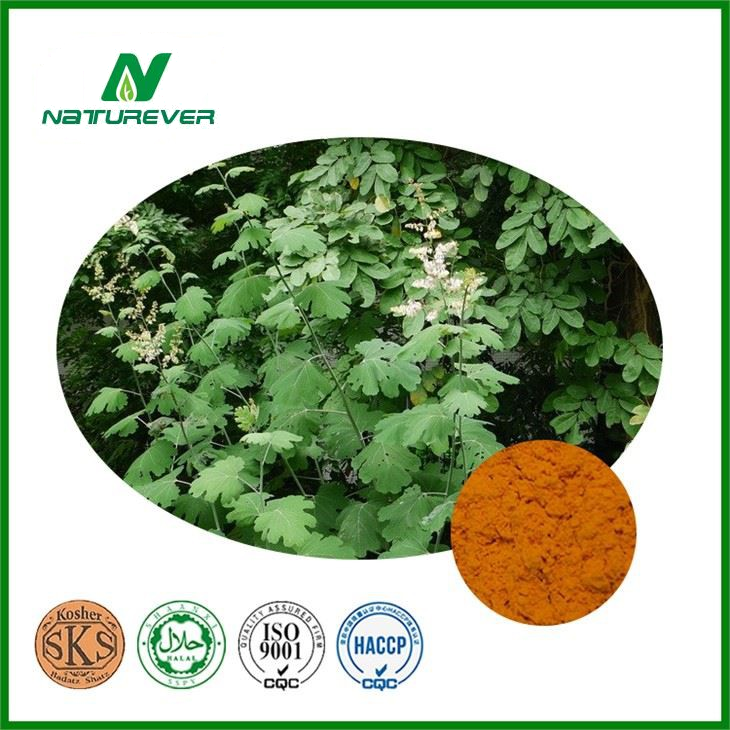
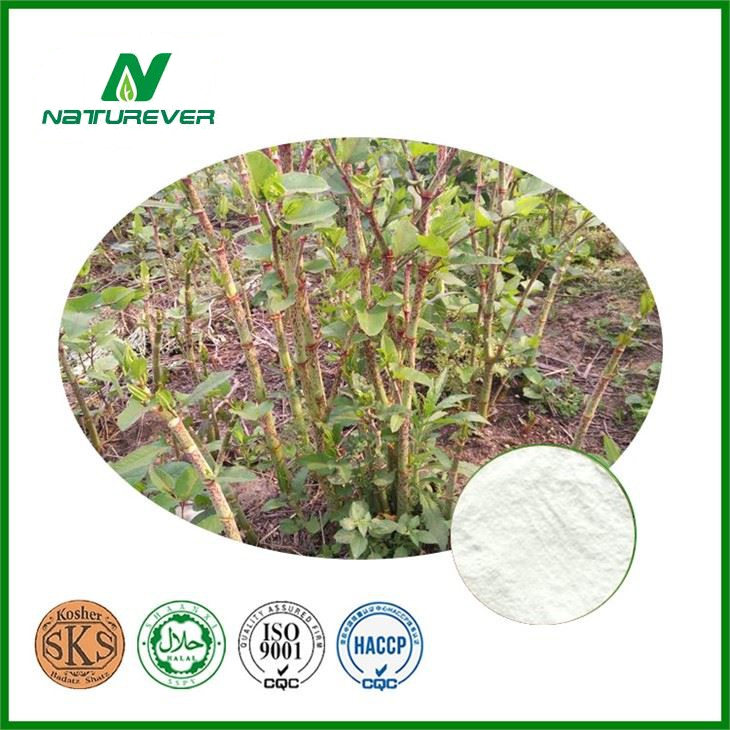
Quercetin is an important flavonoid contained in a variety of plants, and it is responsible for the yellow and purple colours of plants. And it is found in especially high concentrations in the bark of the locust tree. It can be extracted from the locust tree bark and has significant benefits, particularly when it is in the form of dihydrate or anhydrous quercetin.
Dihydrate quercetin, also known as two-water quercetin, is a crystalline powder that can be found in many health products. It generally contains around 98% to 99% of the active ingredient quercetin and is soluble in water or juice. It is beneficial for improved blood flow and for reducing inflammation.
Anhydrous quercetin, also known as no-water quercetin, is a more concentrated form of quercetin that is found in various health supplements. It generally contains between 99% and 99.6% of the active ingredient quercetin. It is insoluble in water but is soluble in ethanol, acid solutions, and many other organic solvents. This form of quercetin is thought to have a higher bioavailability and to be more efficiently absorbed by the body than dihydrate quercetin.
The primary difference between anhydrous quercetin and dihydrate quercetin is the concentration of the active ingredient, with anhydrous quercetin containing a higher concentration. Anhydrous quercetin is also more difficult to dissolve in water than dihydrate quercetin. Anhydrous quercetin is thought to be more bioavailable and better absorbed by the body, while dihydrate quercetin may be preferable in some instances due to its greater water solubility.
Both forms of quercetin have a wide range of potential health benefits, including the ability to reduce inflammation, improve blood flow, and boost overall health. However, it is not yet clear which of these forms is the most beneficial. It may be best for individuals to experiment with both forms of quercetin in order to see which is the most beneficial for their individual needs.