

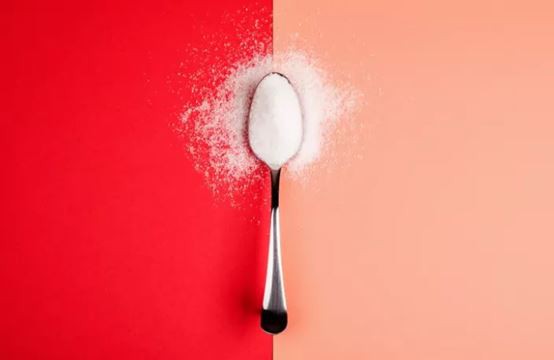
Sugar is an indispensable energy substance for human body, but once excessive intake of sugar will interfere with insulin's blood sugar control, it will not only cause us to be hungry easily, the more we eat, the more obesity, and also the increase in blood sugar, leading to a large number of three high problems and even diabetes.
The purpose of sugar reduction is to reduce the increase in blood sugar. Consumers are not only reducing sugar intake, but also actively looking for clinically verified ingredients to help regulate and stabilize blood sugar levels. The following are some of the latest research and innovations in the field of blood sugar management Results.
一、Low GI sweetener
Consumers are increasingly aware of the health hazards of added sugar, which has caused a demand for a new generation of sweeteners. Some brands are turning to a new generation of sweeteners, which generally have a low glycemic index and also have other health benefits.
1. Prebiotics (inulin, oligofructose)
The functional prebiotic fibers in chicory root (such as inulin) are very suitable for use as a low GI sweetener. Both inulin and fructo-oligosaccharide from chicory root have a certain sweetness (about 30%-50%), but the calorie content is much lower than other sugars. Because it belongs to dietary fiber, compared with traditional sugar, its blood sugar response is smaller. Once it enters the body, it will not be metabolized, so it will not cause blood sugar to rise. At the same time, it can increase insulin sensitivity and reduce blood sugar through the mutual assistance of insulin, reduce the body's demand for insulin, and improve the body's sugar tolerance. In addition, both of these fibers have the additional health benefits of improving digestion.
Yacon, originally produced in South America, is also a good healthy sugar substitute. Yacon syrup is 75% sweeter than sucrose, has only 1.3 calories/g, which is 1/3 of sugar, and has a GI of only 1. And the content of oligofructose is extremely high, which is 60-70% of its dry matter, and its content is the highest among all plants. These short-chain fibers have shown very ideal effects in research on weight reduction. In particular, it also contains insulin-like substances, which can help control blood sugar.
2. Palatinose
Palatinose is a low-sugar carbohydrate that can be slowly and completely digested and absorbed by the human body. It is another functional sweetener. The human body can still maintain a stable blood sugar level for more than 60 minutes after ingesting palatinose. It has great potential for blood sugar management and sports nutrition applications.
3. A new generation of stevia
Cargill has added a new stevia sweetener to its product portfolio. Andy Ohmes, global director of high-intensity sweeteners, said that Cargill’s zero-calorie EverSweet Reb M / Reb D stevia sweetener has a smoother mouthfeel than other stevia sweeteners, and there is no aftertaste, so that it can be used alone as a whole Sugar substitute. Ohmes said: "This huge advancement in sweetener technology allows the sugar replacement rate to be as high as 100%. EverSweet contains no calories and has no effect on blood sugar levels, making it very suitable for diabetics."
4. Allulose
Allulose is another sweet ingredient, which has quickly gained popularity in the US market due to its low glycemic index. Dr. Kirstie Canene-Adams is Taylor's Global Nutrition Senior Scientist and the author of the recently published Taylor's "Innovative Ingredients for Blood Sugar Response" white paper.
Canene-Adams said that there is ample clinical evidence that allulose does not increase blood sugar or insulin levels in healthy individuals or patients with type 2 diabetes. Due to the new regulations made by the FDA in April 2019, Taylor’s Dolcia Prima brand of allulose products are exempted from the labeling requirements for "total sugar" and "added sugar", which also increases its impact on food companies attractive.
5. Coconut Flower Sugar Substitute
Coconut flower sugar was extracted from the sap of coconut flowers, coconut trees that have grown for more than 8 years can dissolve coconut nectar juice. It needs to climb to the top of the coconut trees for artificial collection, and the output of each tree is very limited every day. Usually, a coconut tree can collect 0.5~1kg of coconut flower juice every day. For every seven kilograms of coconut flower juice, about 1kg of coconut flower sugar can be made. The coconut flower juice must be refined immediately after it is collected, otherwise it will be fermented and deteriorated. The whole extraction process of coconut flower sugar is very natural, gluten-free, no additives, no preservatives, taste and color are similar to caramel, it can replace sucrose one-to-one, and is more powerful than coffee, oatmeal, cocoa, baking and other strong flavors. Fusion.
The GI value of coconut flower sugar is about 35, which is a low-glycemic product (the GI value of sucrose is 65, and the GI value of glucose is 100). It is rich in vitamins, amino acids and minerals such as potassium, zinc, magnesium, and iron. The nutritional value is high, and there is no risk of gastrointestinal intolerance.
二、Blood sugar management components
1. Lemon Extract
Eriocitrin is a common glycoside in lemons, which can regulate blood sugar levels by improving insulin sensitivity. Eriomin is a lemon extract under the IBN, containing eriocidin and flavonoids. Early studies have shown that Eriomin can help maintain healthy blood sugar levels in a variety of ways, support normal insulin sensitivity, increase antioxidant activity and control inflammation.
2. Bergamot Extract
Another promising citrus ingredient is bergamot (Citrus bergamia) extract. HP Ingredients' Bergamonte complex extract Bergamonte has been shown to regulate the concentration of ghrelin and leptin hormones, and ultimately support healthy blood sugar levels. In one trial, 650 mg of Bergamonte daily reduced ghrelin levels by 6.9% after 90 days.
3. Mulberry Extract
In a randomized crossover trial, after 15 healthy volunteers consumed carbohydrates, mulberry leaf extract reduced the glycemic index of maltose, sucrose, maltodextrin and glucose. The test found that mulberry leaf extract can reduce the GI of maltose by 53% and the GI of sucrose by 33%. This preliminary trial has some limitations, such as no placebo group and small sample size, but it may lay the foundation for future research.
4. White Kidney Bean Extract
White kidney bean extract is an α-amylase inhibitor, which can inhibit the activity of α-amylase and block the decomposition of starch, so that the starch cannot be digested and absorbed by the human body. At present, white kidney bean extract is widely used in foods that regulate blood sugar, and these foods can also be eaten as ordinary foods. After the white kidney bean extract enters the intestine to exert its effect, it will be excreted quickly, without entering the blood circulation, nor acting on the brain center, without side effects.
5. Bitter Melon Extract
Bittermelon contains steroidal saponins known as charantin, insulin-like peptides and alkaloids, which gives it hypoglycemic ability. Charantin stimulates the release of insulin and blocks the formation of glucose in the bloodstream, which may be helpful in the treatment of diabetes particularly in non-insulin dependent diabetes. The hypoglycemic effect is attributed to two factors:
(1)Charantin- a crystalline fraction obtained from an alcoholic extract of the fruit. Charantin administered at a 50mg/kg dose reduced hyperglycemia in rabbits by 42%. Charantin posesses pancreatic and extra-pancreatic action, and has a slight antispasmodic and anticholinergic effect.
(2)P-isulin (or v-insulin, for vegetable insulin). This is a large polypeptide structurally and pharmacologically comparable to bovine insulin. The p-insulin is composed of two polypeptide chains bound together by disulphide bonds. Subcutaneous and intramuscular administration of p-insulin produced hypoglysemic effects in diabetic patients, the peak effect was observed after 4-8 hours as compared to 2 hours for bovine insulin.
6. Chromium can promote sugar metabolism
Chromium picolinate can improve blood sugar metabolism and carbohydrate metabolism, while increasing insulin sensitivity. A literature report in 2018 concluded that chromium picolinate helps to lose weight while maintaining weight. Another randomized placebo-controlled trial found that chromium improved markers of oxidative stress in diabetic patients.
三、Other blood sugar management components
Tomato extract, Broccoli extract, Bilberry extract, Fenugreek seed extract, Ginseng extract, Angelica root extract, Pumpkin extract, Kudzu root extract, Aloe vera extract, Garlic extract, Onion extract.