

We often say that Chinese is broad and profound. This sentence is associated with "eat", and sometimes it becomes "I don't know what I am eating".
I guess you have also been confused: is the "wasabi" dipped in sushi, the "wasabi" with the old Beijing mustard pie, and the "wasabi" on the IKEA hot dog, is it a "wasabi"?
Simply figure out this matter today, and let's go through it one by one.
Wasabi Horseradish
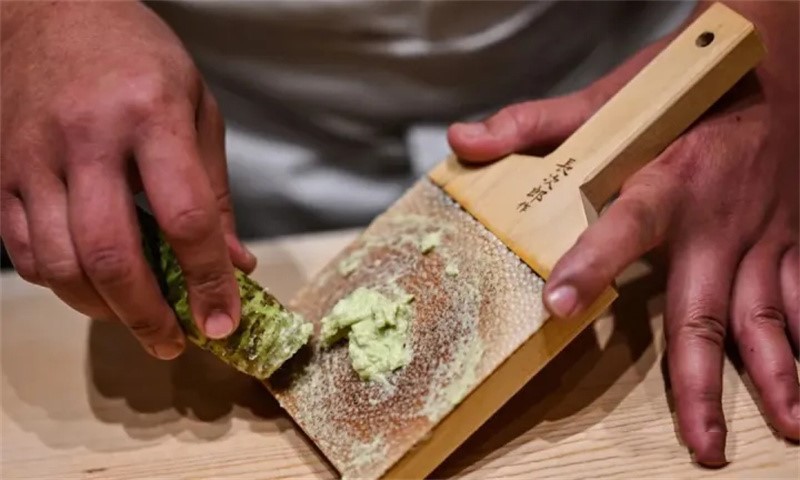
The "wasabi" dipped in sushi is green, and in high-end sushi restaurants, you will see Itamae chefs will use a small grinding board called "おろし金" (metal or covered with sharkskin) to grind a green plant root. The rubbed plant is "Wasabia japonica/わさび)".
Wasabi has a long history of eating in Japan. It has a mild "spicy taste" and a sweet taste. It is usually eaten within 20 minutes after being ground into a puree, otherwise the taste will evaporate. When Japanese eat sashimi and soba noodles (with bonito flakes in the noodle soup), they will be served with wasabi to cover up the "fishy smell".
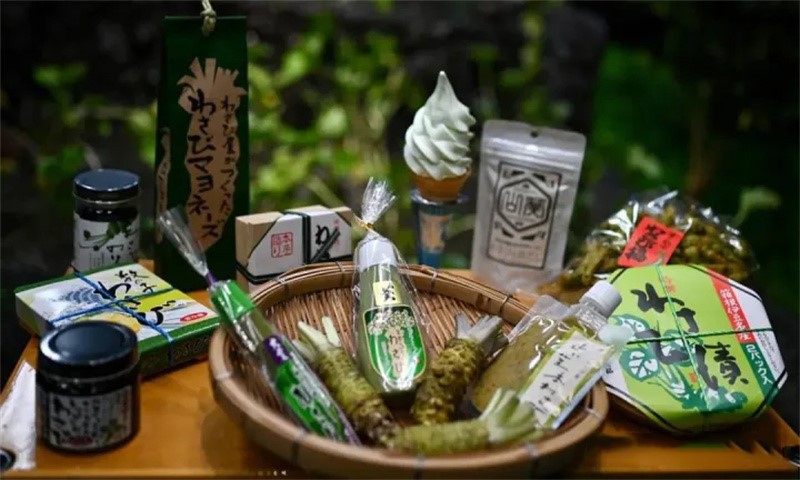
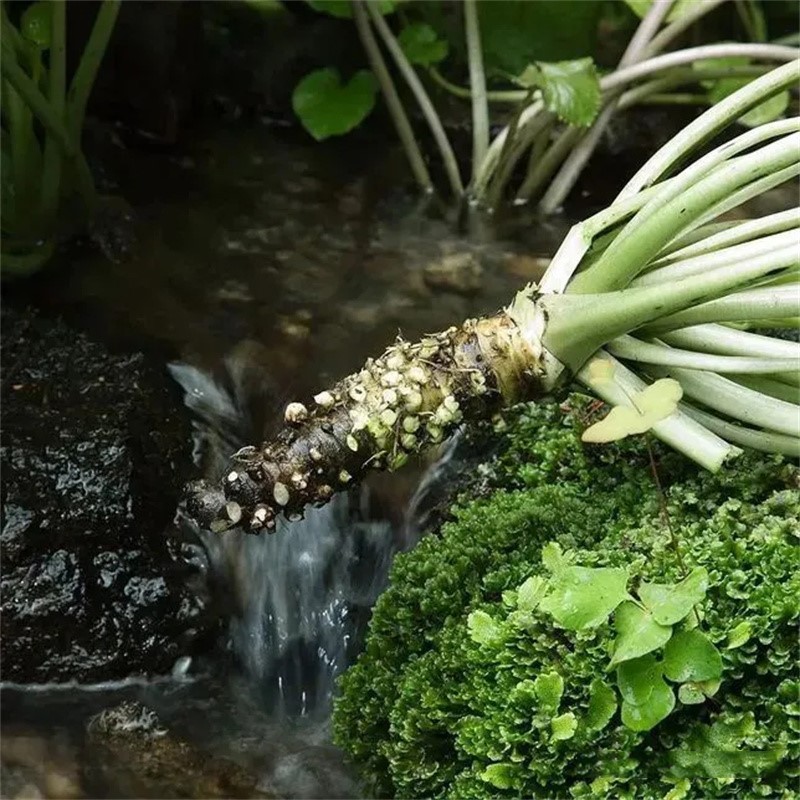
True wasabi is difficult to cultivate, making it rare and expensive. It belongs to the cruciferous family and is native to Japan and the Korean Peninsula. Wasabi needs to grow near clean running water, usually beside mountain streams. The water temperature needs to be kept at 10 to 15 degrees throughout the year to grow better. General wasabi needs at least one year of growth time, and better quality horseradish needs 2 to 3 years of growth period before it can be marketed.
Now, wild wasabi is hard to see, and more are cultivated artificially, but this still hasn’t brought down the unit price of wasabi. At 250 US dollars per kilogram (data from Business Insider), only high-end restaurants can afford it.
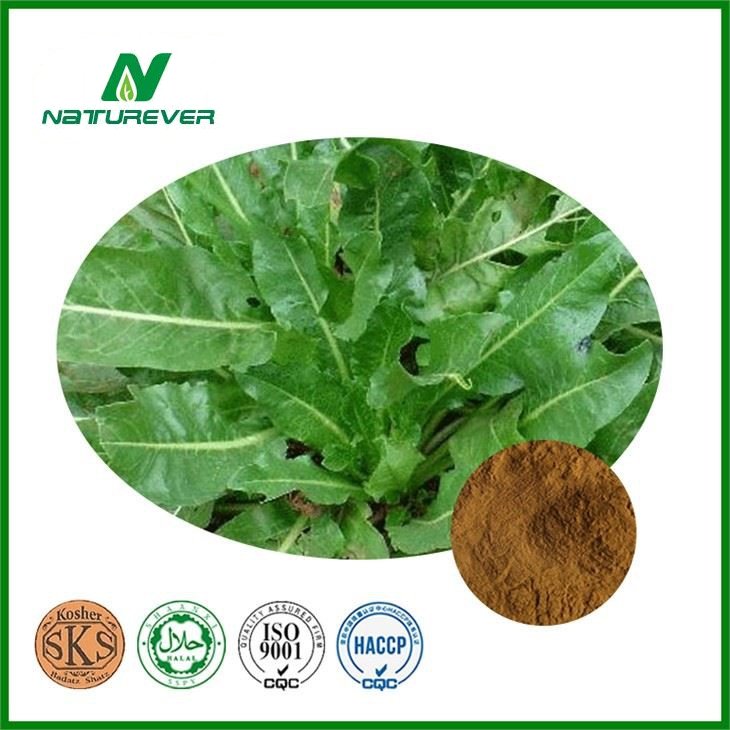
The kind we see in ordinary Japanese food stores, or the tube-shaped "wasabi" bought in supermarkets, is the substitute "Horseradish/Armoracia rusticana" of horseradish. Horseradish also belongs to the cruciferous family and has a long history of cultivation. It is native to the Mediterranean region and is now found in temperate regions. Early horseradish, because of its spicy properties, people discovered its medicinal value and used it to treat scurvy, colds and other diseases.
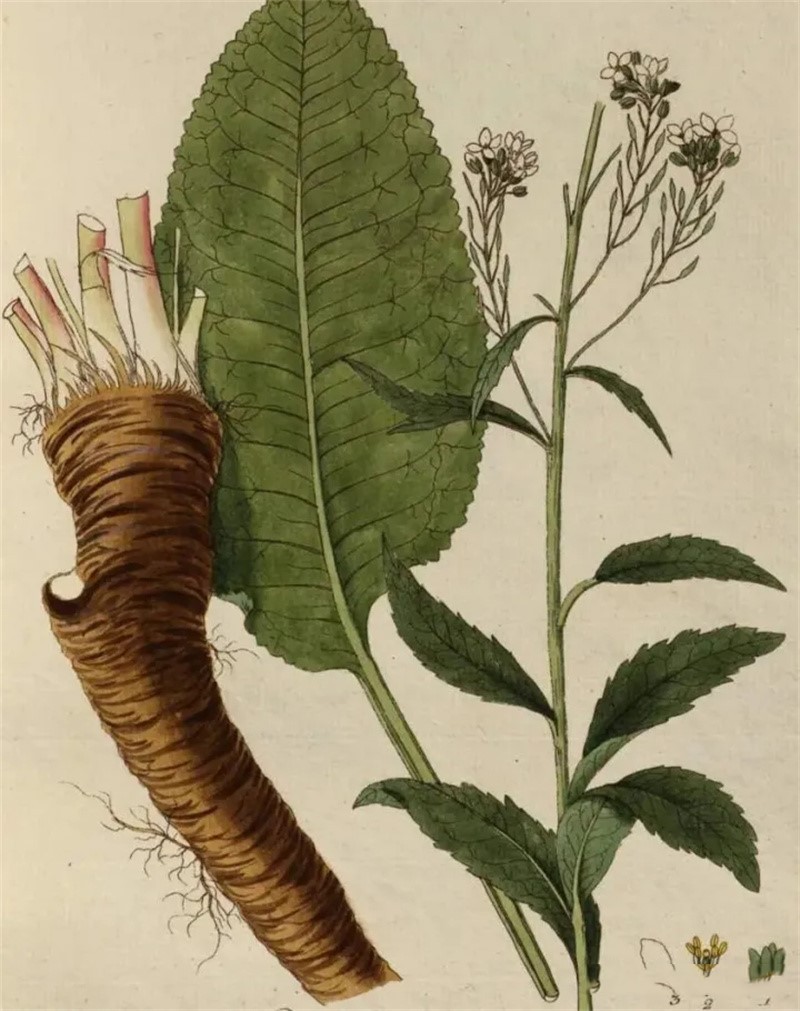
Horseradish's greatest use these days is that the root is used as a stand-in for horseradish. Because they all contain a sulfur-containing compound "allyl isothiocyanate (AITC)", it is the pungent smell that we feel when we eat tube-shaped mustard.
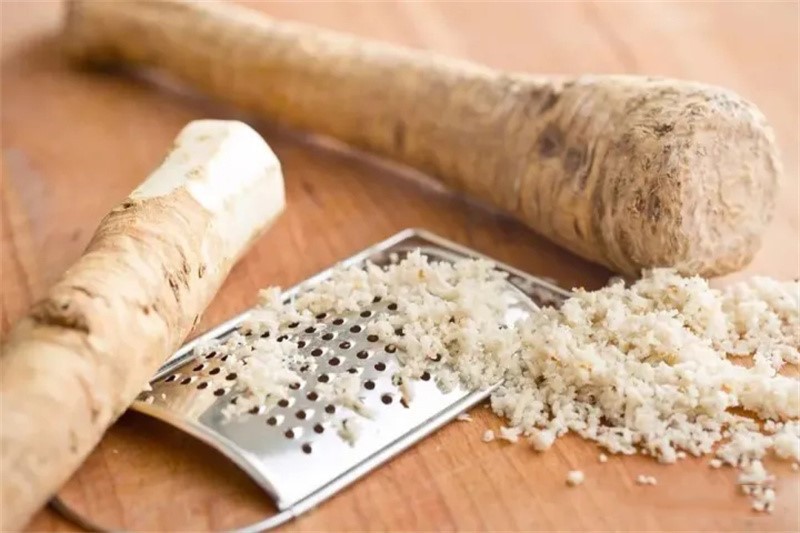
The ground horseradish itself is white, which is different from the light green ground from wasabi. The oily green mustard paste we eat is a product that has been toned, and the taste is more exciting.
Therefore, the "wasabi" associated with Japanese cuisine is actually wasabi and horseradish.
Another common mustard, its Chinese name is mustard.
The yellow sauce on hot dogs, mustard cucumbers and mustard pies, which are common cold dishes in the north, and the dipping dish of Cantonese roast meat, all have its presence. They are all made from mustard seeds, and some mustard pastes have small white and brown particles in them, which are mustard seeds.
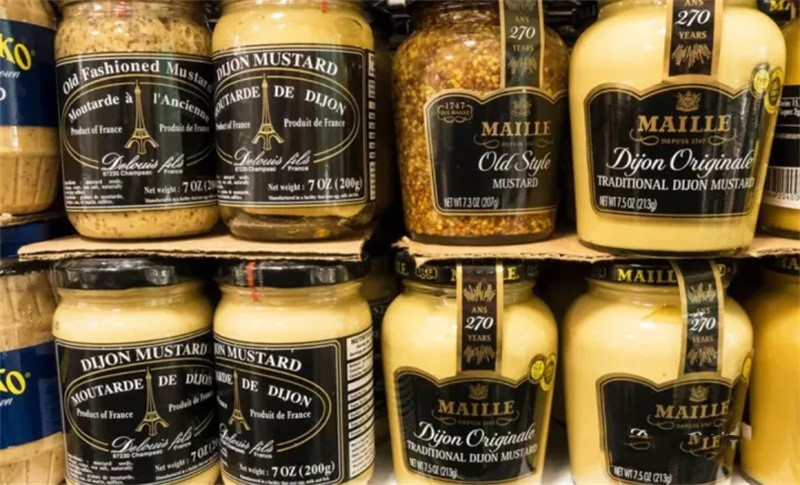
Mustard seeds are derived from mustard greens and belong to the cruciferous family.
The yellow mustard we often eat belongs to the oriental mustard (Brassica juncea), which is native to the foot of the Himalayas. Its mustard seeds are brown.
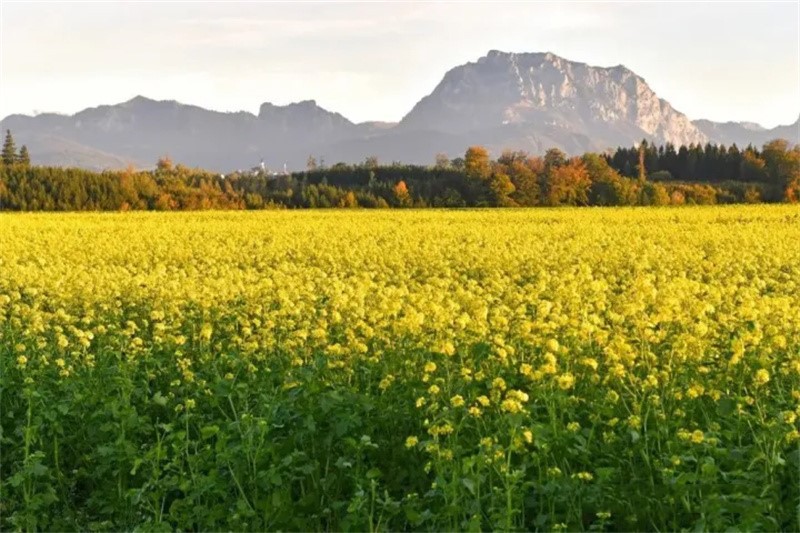
Wasabi has a much longer history than wasabi. Legend has it that Pythagoras used mustard to treat scorpion stings, and Hippocrates used mustard as a medicine for internal and external use. It can be seen that mustard had a small status in ancient Greece.
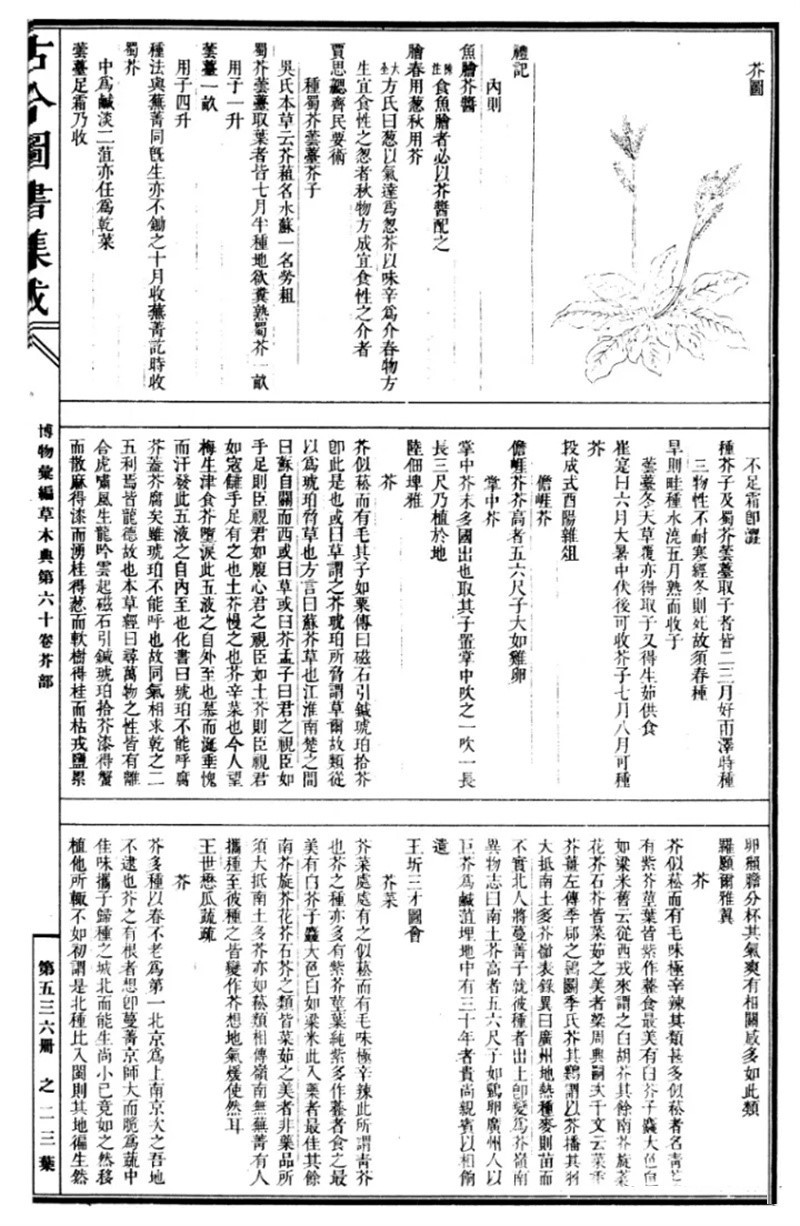
In ancient my country, such as "Book of Rites", "Qi Min Yao Shu", "You Yang Za Zu", there are also introductions and applications of mustard greens and mustard seeds. For example, Cui Shi wrote in the "Monthly Order of the Four Peoples" that "in June, when you lie down, you can harvest mustard seeds. In July and August, you can plant mustard."
It can be seen that mustard has been a plant that has been widely grown all over the world and has been fully integrated into life in various places. The "mustard seed Nasumi" mentioned in Buddhism, the "mustard seed" here refers to a small mustard seed.
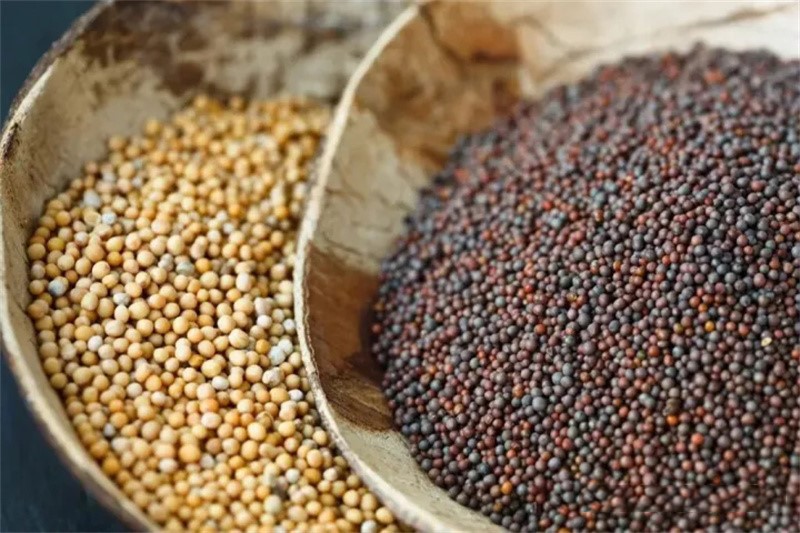
After the mustard seeds are ground into powder, they have no pungent taste. After adding water, the pungent taste will burst out. This is why mustard is in the form of "sauce" in dishes such as mustard puffs and mustard cucumbers that we see.
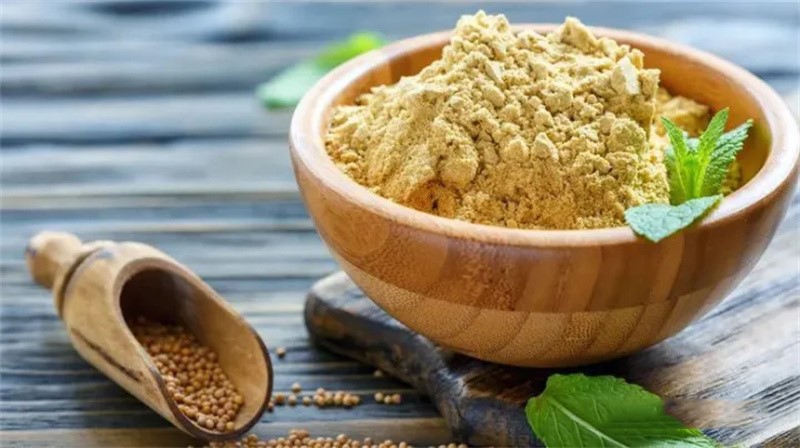
The more common mustard in the West comes from white mustard. That smear of yellow sauce on the hot dog is actually white mustard with turmeric. Because of the addition of vinegar and turmeric, it is yellow in color and tastes more sour.
The most famous mustard is Dijon Mustard. Originated from Dijon, the capital of Burgundy, France. Yes, it is the Bourgogne who makes the wine. Mustard is said to be grown in vineyards as a mulch crop under rows of vines, which, when plowed, provide nourishment to the vines.
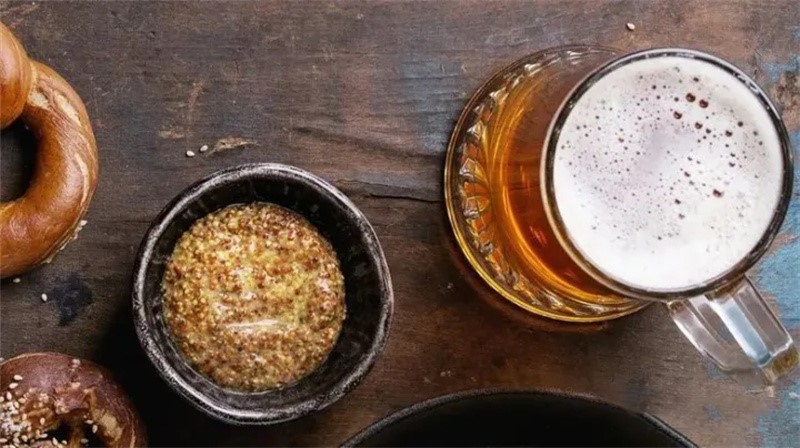
Dijon mustard is full-bodied and comes in a velvety paste or whole mustard seeds, usually soaked in wine or white vinegar. Because the vinegar is added in a large proportion, in contrast, the spicy taste of mustard seeds is not so pungent. It can be paired with sausages, barbecue, French fries, and sandwiches to relieve greasy and fishy smell.
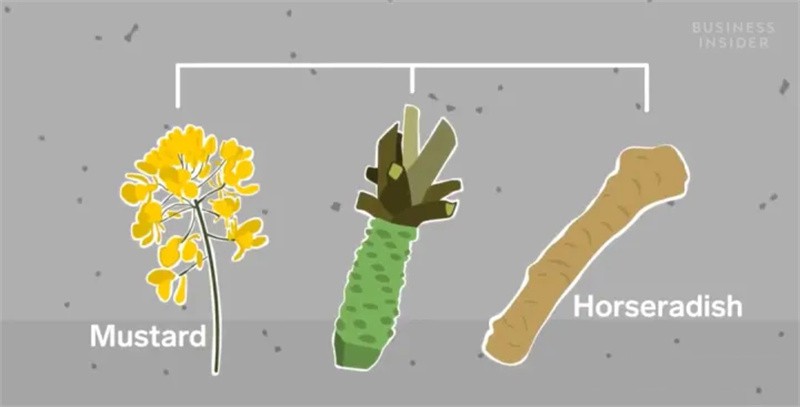
In general, wasabi, horseradish, and mustard are all cruciferous plants. They all have a similar spicy taste, maybe that's why they are called "wasabi".