

Quercetin vs Dihydrate Quercetin vs Anhydrous Quercetin:
What are the Differences?
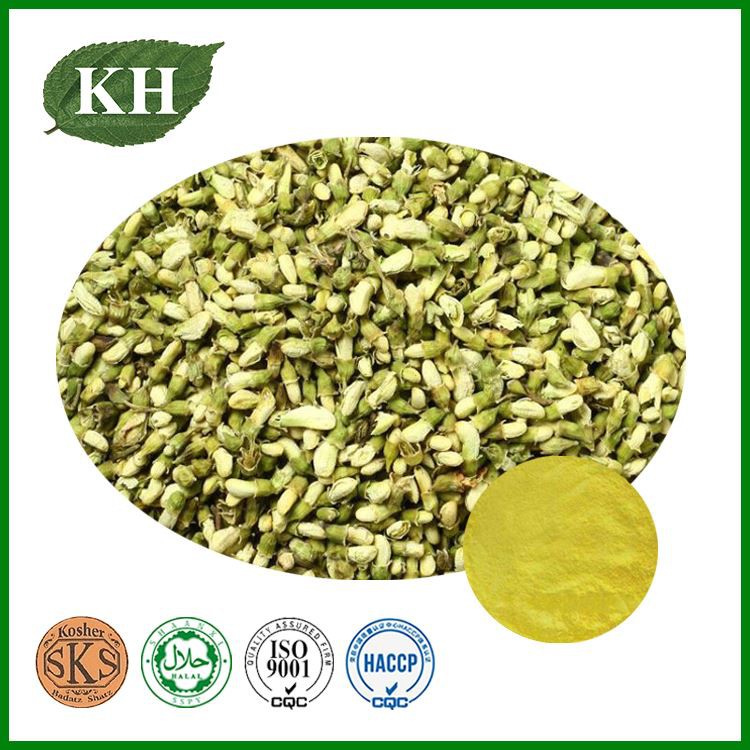
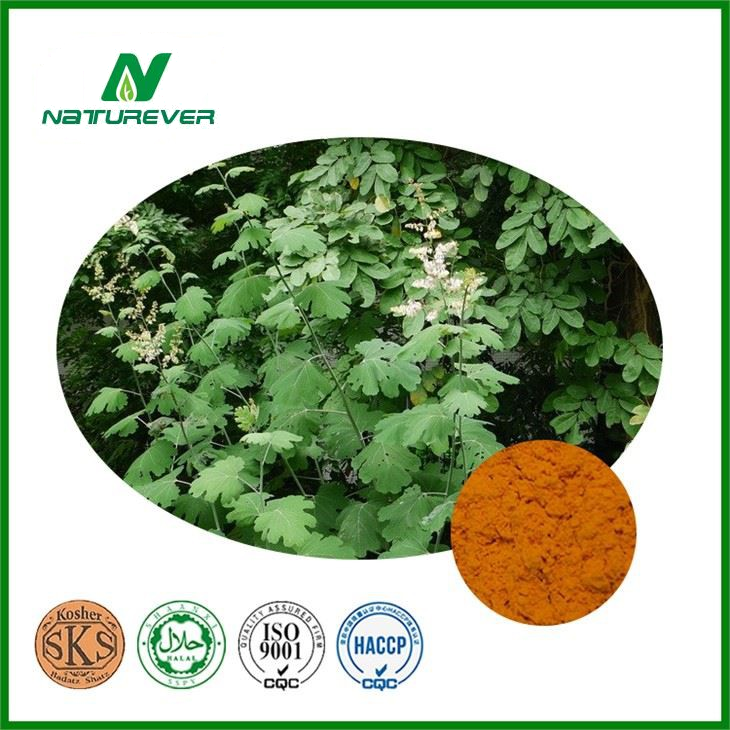
Quercetin is a type of flavonoid present in many fruits, vegetables, and grains, i.e Sophorae japonica and Onion are the common sources for Quercetin. It’s one of the most abundant antioxidants in the diet and plays an important role in helping your body combat free radical damage, which is linked to chronic diseases. In addition, its antioxidant properties may help reduce inflammation, allergy symptoms, and blood pressure. Besides, Quercetin is used in feed too for animal health.
There are many quercetin forms available out there. Which one is better and which one should you select?
Quercetin vs Dihydrate Quercetin
What are Quercetin and Dihydrate Quercetin?
1) Quercetin is a flavonol that we can find in plants, and it belongs to the flavonoid group of polyphenols. We can find this flavonol in many fruits, vegetables, leaves, seeds, and grains. This substance has a bitter flavour and is useful in dietary supplements, beverages, and food as an ingredient.
The chemical formula for quercetin is C15H10O7·2(H2O). It usually occurs as a yellow crystalline powder. Practically, this powder is insoluble in water. But it is soluble in alkaline solutions.
2) Quercetin Dihydrate is a chemical compound having the chemical formula C15H14O9. This substance is commonly found in quercetin supplements. It has the highest bioavailability among other ingredients. This substance also assures a better absorption of the supplement. However, it costs more than other supplement forms due to this quality of high absorption. Additionally, we can also buy pure Quercetin Dihydrate powder as desired. The powdered forms are suitable if we prefer drinking a smoothie over swallowing pills or in order to avoid the digestion of the cellulose capsule material. The powdered form of Quercetin Dihydrate appears in a bright yellow colour.
Quercetin Dihydrate acts as a powerful antioxidant, anti-inflammatory drug, and as an allergy symptom reliever. Moreover, this type of supplements can support cardiovascular health by lowering inflammation and oxidative stress.
However, as for any other chemical substance, Quercetin Dihydrate may have side effects, including headaches, tingling in arms and legs, and higher doses can cause kidney damage.
What are the Similarities Between Quercetin and Quercetin Dihydrate?
1) Quercetin and Quercetin Dihydrate are organic compounds.
2) Both are flavonoids.
3) They are ingredients in quercetin supplements.
What is the Difference Between Quercetin and Quercetin Dihydrate?
Quercetin is a yellow crystalline powder, whereas Quercetin Dihydrate is a bright yellow colour powder.
Quercetin Dihydrate vs Quercetin Anhydrous
What is Quercetin Anhydrous?
Any nutrient that has ‘anhydrous’ in its name simply means it contains no water -it’s been dried out to a crystal-like compound. ‘Hydrous’ of course refers to water, and ‘an’means without. This makes it an easy-to-use supplement that can be added to water to make a juice or drink.
What is the Similarity Between Quercetin Dihydrate and Quercetin Anhydrous?
Both plant origin is flower bud of Sophorae Japonica. Anhydrous Quercetin is obtained from Dihydrate Quercetin which becomes anhydrous at 95-97℃ by removing two crystal waters.
What is the Difference Between Quercetin Dihydrate and Quercetin Anhydrous?
Most of the quercetin ingredients on the market are in the Quercetin Dihydrate form.
Quercetin Anhydrous and Dihydrate differ in the amount of water they contain. Quercetin Anhydrous contains only 1% to 4% moisture and the sugar molecules that are attached to quercetin in its natural form have been extracted. This translates into 13% more quercetin per gram for Quercetin Anhydrous vs Quercetin Dihydrate. For formula manufacturers, this means there is substantially less bulk per capsule or tablet.
Summary
Found in regular vegetable and fruits, quercetin is extremely useful. It maintains your health and heals irritation. Start incorporating it into your daily life and take all the health benefits associated with it. Adding Quercetin to your nootropic stack may help prevent neurodegenerative disease and the symptoms typically associated with aging. But be sure to tell your doctor about any supplements you're taking, even if they're natural. That way, your doctor can check on any potential side effects or interactions with medications, foods, or other herbs and supplements. They can let you know if the supplement might raise your risks.