

Chemical name: Beta 5 - [(Benzoyloxy) methyl] tetrahydro - 5 - hydroxy - 2 - methyl - 2-3, 4, 5 - methano - 1 h - dioxacyclobuta alpha [CD] pentalen - 1 - yl - beta (2 h) -D-glucopyranoside
Molecular structure: C23H28O11
Molecular weight: 480.45
CAS number: 23180-57-6
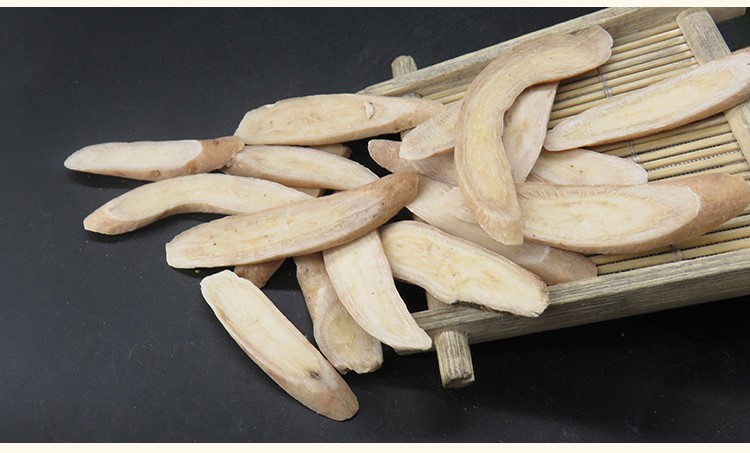
Source: The root of Paeonia albiflora Pall, the root of P.suffrsticosa Andr, and the root of P.delarayi Franch of purple peony were higher in red peony.
Paeoniflorin contenct: 10%,50%,90%
Active ingredients in peony root: Total Glucosides of Paeonia, abbreviated as TGP,includes paeoniflorin, hydroxy-paeoniflorin, paeonin, albiflorin and benzoylpaeoniflorin.
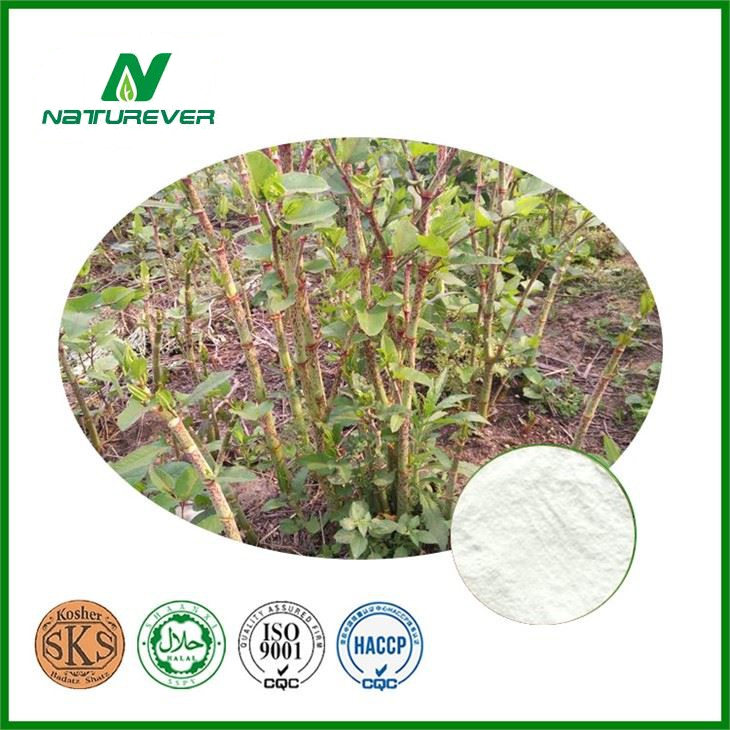
Physical properties of paeoniflorin: hygroscopic amorphous brown powder (90% white powder), [α]16D-12.8. (C=4.6, methanol), tetraacetate is colorless acicular crystal, melting point: 196℃. Paeoniflorin is stable (pH2 ~ 6) in acidic environment, but not stable in alkaline environment.
Content determination:
1. Previous method: Determination by high performance liquid chromatography,The chromatographic conditions and system suitability tests used octadecylsilane bonded silica gel as filler. Acetonitrile-o. 1% phosphoric acid solution (14:86) was used as mobile phase. The detection wavelength was 230nm. The number of theoretical plates should not be less than 2000 according to peoniflorin peak. Preparation of reference solution precision weighing paeoniflorin reference amount, adding methanol to make a solution containing 60μg per 1ml, obtained.
2. Improved method:The content determination method of paeoniflorin in Paeoniae alba was improved. The mobile phase was methanol-water (30:70), and the detection wavelength was 230nm. The result; The linear relationship was good (r= 0.9995), and the average recovery was 101.518%. RSDS were 1.682%. Conclusion: The improved method is simple and convenient. It can reduce the toxicity of organic solvents to human and pollution to the environment, and provide reference for the content determination method of paeoniflorin in practice.
Note: Reference substance is easy to decompose after dissolution.
Effects:
1. Effects on the central nervous system
Paeoniflorin has significant analgesic, sedative and anticonvulsive effects. Extract of Peony can antagonize convulsion induced by strychnine. Intraperitoneal injection in mice has a significant analgesic effect, which may be independent of morphine receptors. It can prolong the sleep time of mice and antagonize convulsion induced by pentamethylenetetrazole.
2. Effect on cardiac and cerebrovascular system
Vasodilator effect: Paeoniflorin can dilate coronary arteries, increase coronary flow, combat acute myocardial ischemia, and reduce blood pressure.
Protective effect of Paeoniflorin on cerebral ischemia: Effects of Paeoniflorin on blood-brain barrier, neuropathological changes of cerebral ischemia and cerebral blood flow during cerebral ischemia reperfusion. Paeoniflorin was found to have protective effects on cerebral edema, blood-brain barrier and local cerebral blood flow after cerebral ischemia. Paeoniflorin can significantly reduce the degree of cerebral edema, reduce the extent of cerebral infarction, improve neurobehavioral symptoms, blood-brain barrier permeability, and increase the local cerebral blood flow in animals with focal cerebral ischemia. It showed that it had obvious protective effect on focal cerebral ischemia injury, and the protective mechanism might be related to the following factors. Inhibition of intracellular calcium ion overload, anti-free radicals, has a good improvement effect on cerebral vasomotor dysfunction caused by ischemia and hypoxia, has a protective effect on the blood-brain barrier during reperfusion after cerebral ischemia, and can promote the recovery of cerebral blood flow in the early stage of reperfusion.
Antithrombotic effect: The experiment showed that the platelet aggregation time of animals in the paeoniflorin model group was about 1/2 shorter than that in the control group, indicating that the platelet aggregation time of animals with high fat and high cholesterol was enhanced by paeoniflorin. The platelet aggregation, platelet thrombus and fibrinogen formation time of animals in the model group were significantly longer than those in the model group, and were close to that in the control group. It is suggested that paeoniflorin has the effect of anti - thrombolysis caused by high fat and high cholesterol.
Antiplatelet aggregation: platelet aggregation is one of the important "culprits" of all kinds of cardiovascular and cerebrovascular diseases. Paeoniflorin had different inhibitory effects on platelet aggregation induced by ADP and collagen.
Antihyperlipidemia effect: Researchers from Ulsan University in South Korea found that paeoniflorin can lower cholesterol levels in experimental hyperlipidemia rat models. Compared with the control group, paeoniflorin showed a significant reduction in total cholesterol, low density lipoprotein and triglyceride levels when given 200 and 400 mg/kg orally once a day for 4 weeks, respectively.
Reversal of hypotension: By intravenous administration of Paeoniflorin, Taiwanese researchers found that Paeoniflorin reversed piperidine induced hypotension by activating adenosine A1 receptors in the brains of West rats. Pretreated with the adenosine A1 receptor antagonist 8-cyclopenta-1, 3-dipropyl xanthine, paeoniflorin showed dose-dependent inhibition. This effect of paeoniflorin is not altered by 8-thiophenyltheophyline, a strongly polar adenosine A1 receptor antagonist that cannot enter the central nervous system.
3. Antispasmodic action
Paeoniflorin has diastolic smooth muscle cells, and Ca2+ reduction plays an important role in the diastolic smooth muscle cells of Paeoniflorin. Paeoniflorin may diastolic smooth muscle cells by regulating cell membrane Ca2+/Na+ exchange. In gastrointestinal smooth muscle cells, membrane potential determines systolic and diastolic function by influencing the excitability of smooth muscle cells. The main pharmacological effects of paeoniflorin are to inhibit parasympathetic nerve excitation, reduce smooth muscle tension and inhibit its movement. At present, some experiments have proved that paeoniflorin can inhibit the tetanic contraction of smooth muscle in the epididymis and prostatic parts of the vas deferens in rats. It can inhibit the intestinal tube movement in vitro and in vivo of guinea pigs and rats, and the uterine smooth muscle of rats, and can antagonize the contractions induced by oxytocin on the uterus. At the same time, some scholars have used the formula composed of paeony to treat irritable bowel syndrome and recurrent colic after cholelithiasis, and have achieved certain curative effect. Paeoniflorin relaxes the sphincter and is beneficial to the secretion of bile and pancreatic fluid during acute pancreatitis, thus reducing the activation of pancreatic enzymes, alleviating the damage of pancreatic acinus, and ultimately reducing the severity of acute pancreatitis.
4. Antipyretic effect Paeoniflorin can reduce the body temperature of normal mice, but can conduct heat in artificially febrile mice.
5. Anti-inflammatory, anti-ulcer and anti-allergic effects Paeoniflora (50mg/kg,ig) can inhibit foot and ankle swelling caused by carrageenan and dextrophenol, prevent and treat adjuvant arthritis in rats, prevent stress ulcer in rats and inhibit gastric secretion. Paeony decoction can inhibit some pathogenic bacteria and fungi.
6. Hypoglycemic effects of intravenous injection of paeoniflorin can significantly reduce the blood sugar level of streptohomycin induced diabetic mice, and the plasma sugar content also decreases gradually with the extension of administration time. The effect was strongest at 25min after administration. Paeoniflorin reduced plasma sugar levels, and the effect was dose-dependent (1-10mg /kg body weight). The experiment showed that the hypoglycemic mechanism of paeoniflorin had nothing to do with insulin.
7. Immunomodulatory effects Paeoniflorin has certain immunomodulatory functions. Paeoniflorin can enhance the splenic cell suspension and peritoneal macrophage in vitro by inducing adjuvant arthritis with concancana, and it is found that it can enhance both splenic lymphocyte IL-2 and peritoneal macrophage IL-1. The dose-effect curve is like a bell jar. Moreover, paeoniflorin can induce splenic lymphocyte proliferative response, and can restore and approach normal level of a large number of low splenic lymphocyte proliferative response in AA rats, indicating that Paeoniflorin has a concentration and function dependent bidirectional immunomodulatory effect. Clinical pharmacological studies have shown that this product can improve the condition of patients with rheumatoid arthritis, reduce the symptoms and signs of patients, and regulate the immune function of patients. The therapeutic effect of paeoniflorin in the treatment of rheumatoid arthritis is similar to that of methotrexate, but its adverse reactions are significantly less and less severe than methotrexate. As a class II western medicine, Paeoniflorin has been approved as a new drug for clinical treatment of rheumatoid arthritis, and its other clinical applications are under study.
8. Antitumor effect Paeoniflorin has certain inhibitory effect on tumor cells. Paeoniflorin can inhibit the activity of ATPase on tumor cell membrane and increase the activity of adenylate and cyclase (AC). This drug inhibits tumor cell formation and is closely related to the inhibition of membrane Na and K-ATPase and the activation of AC. The effect of paeoniflorin on the proliferation of human hepatocellular carcinoma cell lines Bel-7402 and HepG2 cells was used to observe the proliferation of tumor cells by three measures (negative drug-free control, positive adriamycin control and Paeoniflorin). Paeoniflorin (2mg/ml, 1mg/ml, 0.5mg/ml) had significant inhibitory effects on the proliferation of Bel-7402 and HepG2 cells, with maximum inhibitory rates of 33.78% and 31.45%, respectively. Proliferation inhibition was enhanced with the increase of drug concentration, showing a significant dose-effect relationship. The results showed that paeoniflorin at 2mg/ml, 1mg/ml and 0.5mg/ml effective drug concentrations suggested that Paeoniflorin could inhibit the proliferation of human liver cancer cells to a certain extent and delay the progression of liver cancer. It can induce apoptosis of HepG2, up-regulate the expression of apoptosis-related genes P53 and bax, and down-regulate the expression of anti-apoptotic gene bcl-2.
The antitumor experiment confirmed that the inhibition rate of paeoniflorin on S-180 solid tumor was 36% -44%, which showed significant difference compared with the control group. Cyclophosphamide in the treatment of lung cancer has no significant effect on the primary tumor, metastasis rate and lung metastasis number of Lewis lung cancer, but paeoniflorin combined with Red Peony A can significantly reduce the number of lung metastasis.
9. Liver protection: Paeoniflorin can stimulate the production of plasma fibronectin in rats, promote the level of fibronectin in blood, and promote the function of reticuloendothelial system. Paeoniflorin prophylactic administration for 7 consecutive days can significantly counteract the increase of serum alanine aminotransferase, the decrease of serum albumin and the decrease of liver glycogen content in mice after liver injury caused by D-galactosamine or carbon tetrachloride, and significantly improve and recover the degeneration and necrosis of liver cells in morphology. Paeoniflorin also inhibited ethanol-induced elevation of serum aminotransferase.
10. Prevention and treatment of Alzheimer's disease.
11. Anoxic resistance, etc.
12. The role of diuretic.
13. Application in cosmetics:The main functions of peony root extract in cosmetics and skin care products are antioxidant, antibacterial agent, moisturizing agent, whitening and freckle removing, which has a broad application prospect and is worth further development and utilization.
The active ingredient paeoniflorin has an inhibitory effect on some pathogenic bacteria and fungi. The inhibition of elastic protease, the elimination of free radicals, the inhibition of nitrogen oxides and the promotion of cathepsin activity of Paeonia lactiflora extract showed that Paeonia lactiflora extract has the function of skin rejuvenation and anti-aging, and can be used in anti-aging cosmetics. And has a relatively good moisture ability. It is a classic Oriental whitening material.
Peony root extract is suitable for firm skin, wrinkle skin, sensitive skin, tolerance skin, pigmented skin, non-pigmented skin, dry skin, oily skin these 8 types of skin.
Toxicological study: The toxicity of paeoniflorin is very low. Under normal circumstances, there is no obvious adverse reaction. Mouse LD50:3530mg/kg intravenously and 9530mg/kg intraperitoneally.
Clinical application: Treatment of coronary heart disease; It can be used as an auxiliary drug in the treatment of senile diseases, such as enhancing constitution and immune function, anti-inflammation and relieving cough, expectorant and relieving asthma.
KINGHERBS’ main specification is 50% paeoniflorin, it is whitish color, while others are brownish color, and ours water-solubility is better.