


Research methods :
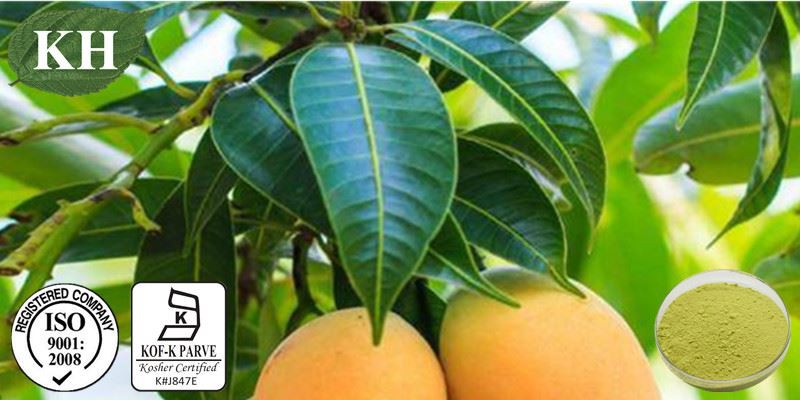
1. mangiferin was extracted and purified from mango leaves by ethanol percolation, referring to relevant literature and the purification method of mangiferin in clinical experiment center of guangxi hospital for nationalities. The physicochemical properties and purity of mangiferin were identified by appearance identification, microscope observation, chemical properties determination, UV spectrum scanning, high performance liquid chromatography and high performance capillary electrophoresis. Mangiferin was dissolved with dimethyl sulfoxide (DMSO) to prepare a series of solutions with different concentrations for the following in vitro cell experiments.
2. Human nasopharyngeal carcinoma CNE2 cells were obtained from otolaryngology Laboratory of Experimental Center of Guangxi Medical University. The cells were cultured with 10% fetal bovine serum RMI1640 medium in vitro. When CNE2 cells grew to a density of 70-80%, a series of culture medium containing mangiferin with different concentrations was added, and the one without drug solution was used as blank control. After 1,3 and 5 days of treatment, the cells were placed under an inverted microscope to observe the changes of cell morphology and number. At the same time, cell proliferation and toxicity detection kit (CCK-8 method) was used to detect the inhibition rate of cells.
3. CNE2 cells were cultured by conventional in vitro culture method. After the cells grew to a density of 70-80%, a series of culture medium containing mangiferin with different concentrations was added for three days. Flow cytometry was used; FCM) to analyze the changes of cell cycle and apoptosis rate.
4. The same treated cells were treated with mangiferin culture medium for three days. The cells were collected, total RNA was extracted and reversed into cDNA. Quantitative PCR was used to detect the changes in the expression levels of apoptosis-related genes Bcl-2 and BaxmRNA; Cells were collected and total protein was extracted. Western blot was used to detect the changes of bcl-2 and Bax protein contents.
Results: Mangiferin was isolated and prepared from mango leaves with ethanol percolation and its purity reached 97.4%, which was close to the level of Sigma standard. The proliferation of nasopharyngeal carcinoma CNE2 cells treated with mangiferin at concentrations of 0,12.5,25,50,100,150 and 200μmol/L for 1, 3 and 5 days was determined by cck-8 method. The results showed that with the increase of mangiferin concentration, cell proliferation was inhibited to varying degrees, and the inhibition rate also increased, among which the inhibition rate of 200 μmol/L mangiferin after 5 days was 55.9%. These results indicated that mangiferin could inhibit the proliferation of NASopharyngeal carcinoma CNE2 cells in a dose and time dependent manner. Observation under the microscope showed that with the increase of mangiferin treatment time, the number of cells did not increase, colony formation was inhibited, light transmittance decreased, cell space expanded, cells became small and round, the overall contour was unclear, and cells separated from the wall, clustered and floated. The experimental group with higher mangiferin concentration showed more obvious changes. The AnnexinV - FITC/PI apoptosis detection kit of synchronization cells, observed under fluorescence microscope, found that in one day of mangiferin function and three days later, with the increase of concentration, the cell membrane green fluorescent cell populations, reduced Numbers of red fluorescent cells, showed that cells are in the early apoptosis, and cell death Or in the late stage of apoptosis. Flow cytometry was used to detect the cell cycle distribution and apoptosis of the cells after 3 days of synchronous treatment. It was found that with the increase of mangiferin concentration, the cell apoptosis rate increased, and the PROPORTION of G2/M phase increased, showing a dose-effect correlation. Mangiferin can interfere with the growth cycle of NASopharyngeal carcinoma CNE2 cells, causing cell stagnation in G2-M phase and inducing early apoptosis. Mangiferin at 200μmol/L for 3 days was the most obvious, and the apoptosis rate was 44.1% and 14.6% in G2/M phase. Total RNA was extracted from mangiferin cells treated for three days, and the mRNA expression levels of Bcl-2 and Bax genes were detected by reverse transcription-real-time quantitative PCR. At the same time, total cell proteins were extracted and the expression levels of bcl-2 and Bax proteins in cells were detected by Western Blot. The results showed that mangiferin down-regulated the expression level of Bcl-2 gene, but up-regulated the expression level of Bax gene in a dose-dependent manner.
These results suggest that mangiferin may induce the apoptosis of NASopharyngeal carcinoma CNE2 cells by regulating the intracellular ratio of Bcl-2 to Bax protein.
Conclusion:
1. mangiferin can inhibit the growth of nasopharyngeal carcinoma CNE2 cells in dose and time dependent manner.
2. The inhibitory effect of mangiferin on the growth of NASopharyngeal carcinoma CNE2 cells was related to its induction of cell stagnation and early apoptosis in G2/M phase, which may be caused by down-regulating the expression level of Bcl-2 protein, while relatively up-regulating the expression level of Bax protein.