

Fisetin: A Promising Dietary Supplement for Health and Longevity
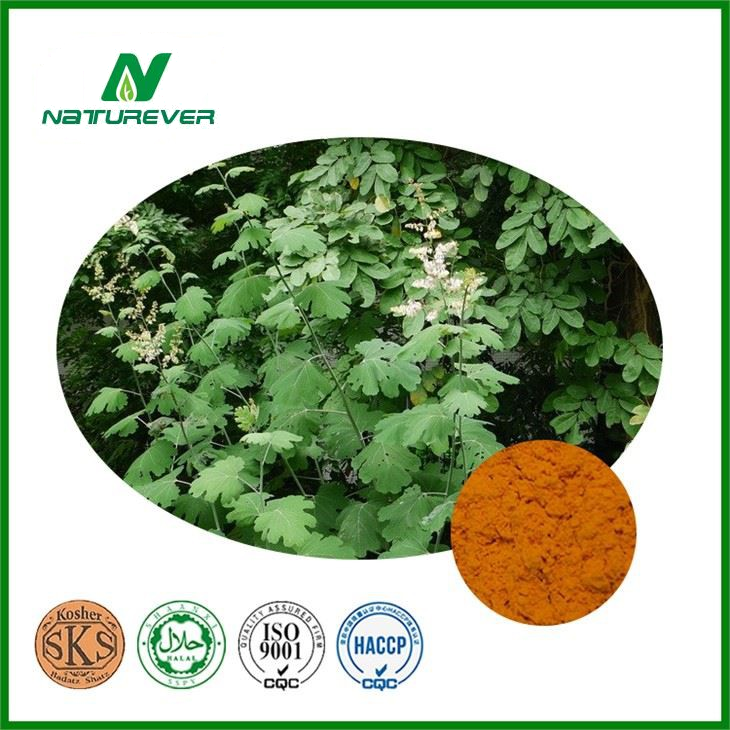
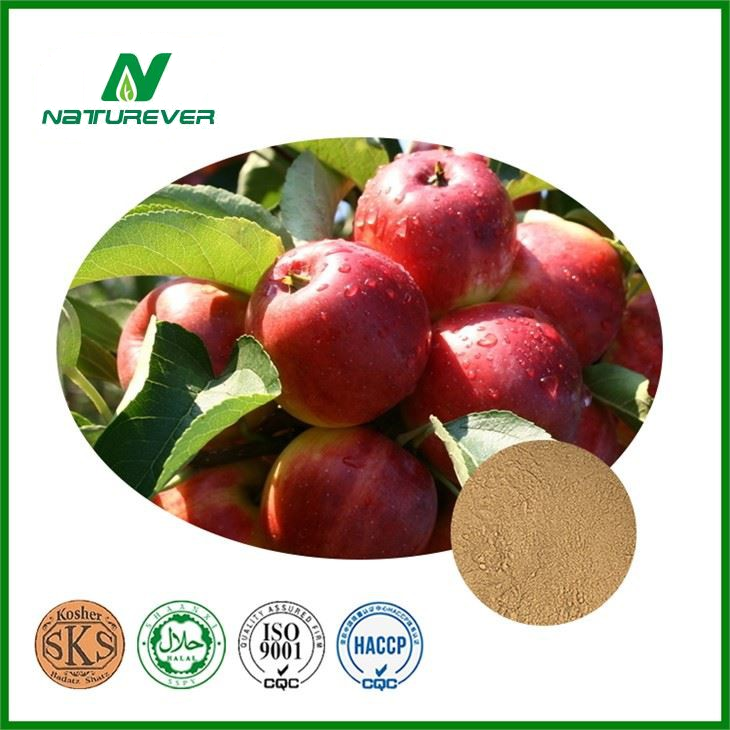
Fisetin is a flavonoid compound found in various fruits, vegetables, and medicinal plants. It was first isolated from the smoke tree (Cotinus coggygria) in 1891 by the French chemist Eugène Maurice Dubois. Since then, fisetin has been identified in more than 120 plant species, including strawberries, apples, onions, grapes, persimmons, cucumbers, and ginkgo biloba. Most dietary sources of fisetin contain only trace amounts, typically 1-10 milligrams per 100 grams of fresh weight.
Extracting and testing fisetin from plant materials can be a challenging process due to its low solubility, stability, and bioavailability. The most common methods of extraction involve using organic solvents or water-based techniques, such as maceration, sonication, or solid-phase extraction. Once fisetin is isolated from the plant matrix, it can be quantified and characterized by various analytical tools, such as high-performance liquid chromatography (HPLC), mass spectrometry (MS), and nuclear magnetic resonance (NMR).
Fisetin has attracted considerable attention in recent years as a potential health-promoting agent. Several preclinical studies have demonstrated that fisetin can exert multiple biological effects, such as antioxidant, anti-inflammatory, anti-cancer, anti-diabetic, neuroprotective, and cardioprotective activities. For example, fisetin has been shown to scavenge free radicals and reduce oxidative stress in vivo and in vitro. It also inhibits the production of pro-inflammatory cytokines and enzymes, such as TNF-α, IL-1β, COX-2, and iNOS, by modulating various signaling pathways, including NF-κB, MAPK, and PI3K/Akt. In addition, fisetin has been found to induce apoptosis and inhibit metastasis in different types of cancer cells, possibly by targeting multiple oncogenic proteins, such as c-Myc, STAT3, p38 MAPK, and MMPs. Furthermore, fisetin has been reported to enhance insulin sensitivity, glucose uptake, and glycogen synthesis, and to protect against diabetic complications, such as neuropathy, nephropathy, and retinopathy. It also exerts neuroprotective effects by increasing synaptic plasticity, improving memory and cognition, and reducing the accumulation of amyloid-beta and tau protein in animal models of Alzheimer's disease. Moreover, fisetin has been shown to protect the heart from ischemia-reperfusion injury, reduce cardiac fibrosis and hypertrophy, and improve endothelial function and blood pressure.
The mechanisms underlying the diverse health benefits of fisetin are not yet fully understood, but several hypotheses have been proposed. One of the main targets of fisetin seems to be the sirtuin family of proteins, especially SIRT1, which are involved in various processes that regulate aging, metabolism, and stress resistance. Fisetin has been shown to activate SIRT1 and other sirtuins by increasing their expression, stability, or enzymatic activity. This, in turn, can lead to the activation of various downstream pathways, such as AMPK, FOXO, PGC-1alpha, NRF2, and autophagy, that promote cellular homeostasis, DNA repair, mitochondrial biogenesis, and longevity. Additionally, fisetin can modulate several signaling pathways related to cell proliferation, differentiation, and survival, such as Wnt, Notch, JAK/STAT, and PI3K/Akt/mTOR, that play critical roles in cancer, stem cell biology, and tissue repair. Fisetin can also modulate epigenetic changes, such as DNA methylation and histone acetylation, that affect gene expression and chromatin structure.
Despite its potential benefits, fisetin may also have some side effects and limitations that need to be considered. At high doses or prolonged exposure, fisetin may cause toxicity or genotoxicity, especially in cancer cells, where it can induce oxidative and nitrosative stress. Fisetin may also interfere with certain medications, such as blood thinners, anti-diabetic drugs, and chemotherapy drugs, by affecting their absorption, metabolism, or efficacy. Therefore, caution should be exercised when using fisetin as a dietary supplement, especially if one has pre-existing medical conditions or is taking medications.
The market for fisetin is still relatively small, compared to other dietary supplements, such as resveratrol or curcumin. However, the growing interest in fisetin's health benefits, combined with the increasing prevalence of age-related diseases and the demand for natural and safe remedies, may boost its popularity in the future. Some companies already offer fisetin supplements in various forms, such as capsules, tablets, and powders, but the quality, purity, and potency of these products may vary. Therefore, it is important to choose a reputable brand and consult with a healthcare provider before starting fisetin supplementation. Further research is needed to determine the optimal dosage, duration, and delivery method of fisetin, as well as its safety and efficacy in humans.
Fisetin realizes our dream of health and longivity
Mar 24, 2023 View: 2 Leave a message
Send Inquiry